The Home Energy Audit: What Happens, What It Finds and What to Fix First
Before spending on windows, solar or a new furnace, find out where your house actually loses energy. An audit replaces guesswork with measurements.

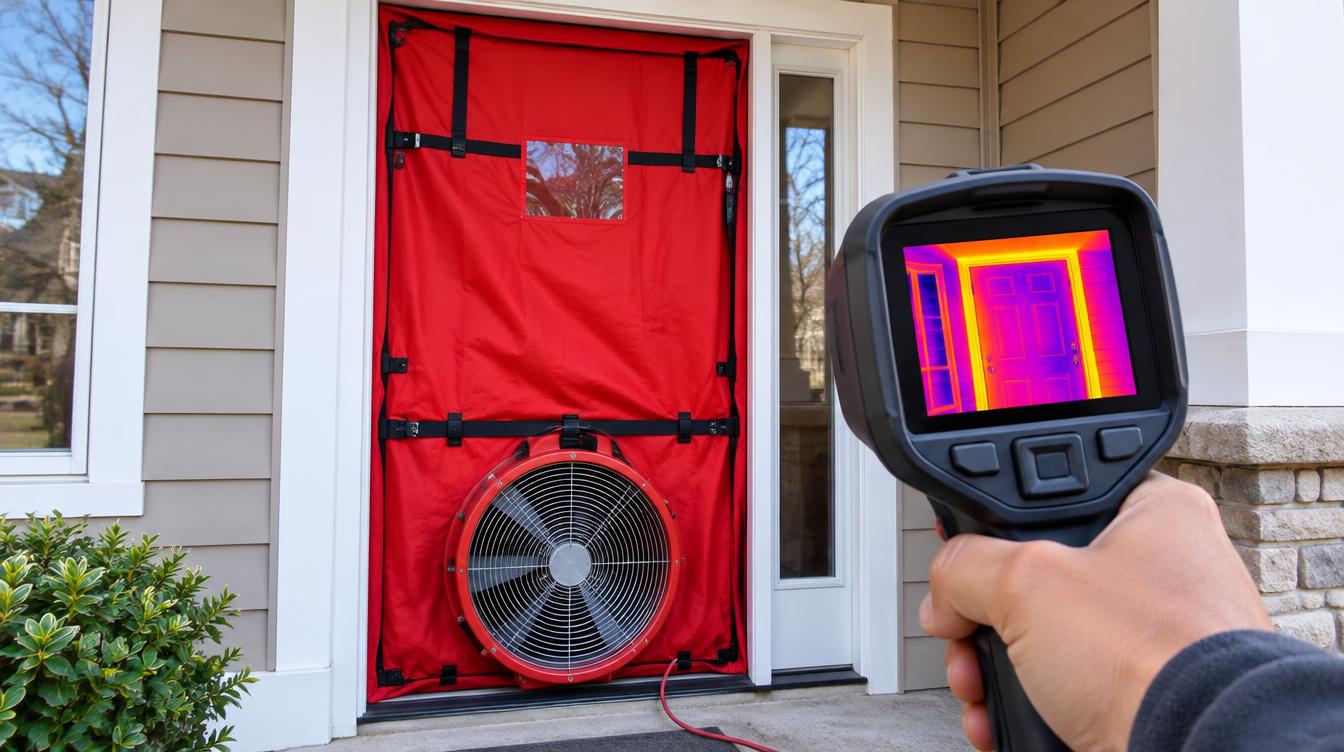
- A professional audit uses a blower door and a thermal camera to measure air leakage and find missing insulation.
- The usual order of fixes is air sealing, then insulation, then ducts, then equipment.
- Many utilities subsidise audits, and some rebates require one. Check before you book.
Most energy upgrades are sold one at a time. The window company recommends windows. The heating company recommends a furnace. The solar company recommends panels. Each is confident that its product is where you should start.
An energy audit is the one service with no product to sell. It measures how your house performs and tells you, in order, what is worth fixing.
What an audit is
A home energy audit, also called an energy assessment, is an inspection and a set of tests carried out by a trained assessor. It usually takes between two and four hours.
At the end you receive a report listing where the house is losing energy, what can be done about it and roughly what each measure would cost and save.
The walk-through
The assessor begins outside, noting the construction, the condition of walls and windows and anything that might affect drainage or ventilation.
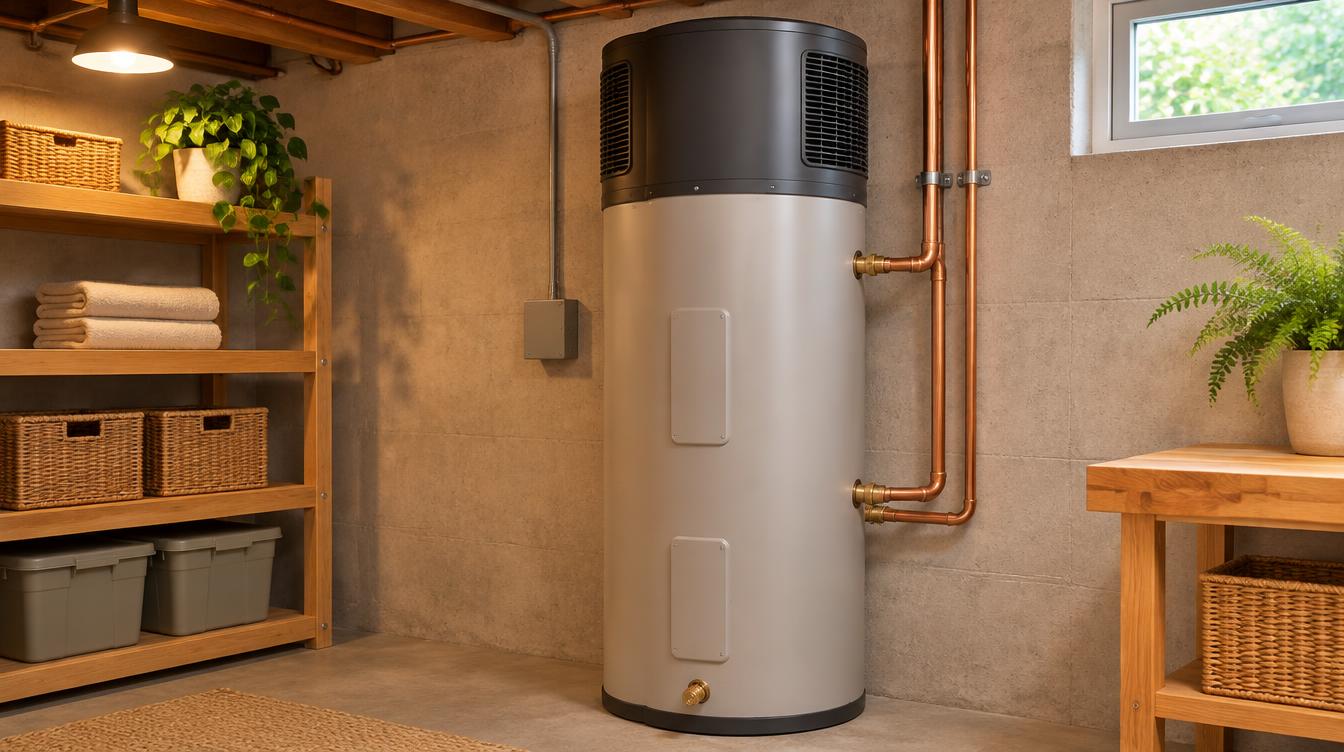
Inside, they look at the attic, the basement or crawl space, the heating and cooling equipment, the water heater and the ductwork. They will usually ask for a year of energy bills, which show how the house behaves across the seasons.
The blower door test
This is the centrepiece. A frame with a fabric panel and a large fan is fitted into an exterior doorway. The fan draws air out of the house, lowering the pressure inside.
Outside air is then pulled in through every gap. Gauges measure how much air the fan must move to hold a set pressure, which gives a single figure for how leaky the house is.
While the fan runs, the assessor walks the house finding the leaks, often with a smoke pencil that shows air movement.
You cannot fix what you have not found. The blower door finds it.
Thermal imaging
An infrared camera shows surface temperatures as colours. Missing insulation appears as a patch of a different temperature, and air leaks show as streaks around windows, outlets and ceiling fittings.
It works best when there is a clear difference between indoor and outdoor temperatures, so audits in very mild weather may reveal less.
Other tests
Depending on the home, the assessor may also test the ductwork for leaks and check that gas appliances vent safely. The latter matters because sealing a house changes how air moves through it.
| Test | What it shows | Why it matters |
|---|---|---|
| Blower door | Overall air leakage and where it occurs | Air leaks waste energy and cause drafts |
| Thermal imaging | Missing insulation and hidden leaks | Finds problems inside walls and ceilings |
| Duct leakage | Conditioned air lost before it reaches rooms | Leaky ducts can waste a large share of heating and cooling |
| Combustion safety | Whether fuel-burning appliances vent properly | Safety after the house is tightened |
Where houses usually leak
The gaps that matter are rarely the ones you can feel. A drafty window gets the blame while far more air escapes through holes hidden in the attic and basement.
Warm air rises and leaves through the top of the house, drawing cold air in at the bottom. That is why the attic floor and the basement rim are usually the first places to seal.
The usual order of fixes
Audit reports generally recommend work in a similar sequence, because each step affects the next.
- Air sealing: close the gaps, starting in the attic and basement.
- Insulation: add it once the leaks are sealed, beginning with the attic.
- Ducts: seal and insulate any that run through unheated spaces.
- Equipment: replace heating, cooling and water heating when due.
- Windows and generation: consider new windows and solar last.
Doing things in this order means any new equipment can be smaller, because the house needs less heating and cooling. Our guide to attic insulation covers the second step in detail.
What it costs and what it saves
A professional audit commonly costs a few hundred dollars. Many utilities offer them free or at a discount, and some rebate programmes require one before work begins.
The Environmental Protection Agency estimates that air sealing and insulating attics, floors and crawl spaces can save an average of about 15 percent on heating and cooling costs. Homes that start out leaky can save more.
Choosing an assessor
Look for an independent assessor with a recognised certification in building performance or home energy rating. Ask which tests are included and whether you will receive a written report.
Some assessors also carry out the improvements. That can be convenient, though an assessor with nothing to sell gives the most neutral advice.
A do-it-yourself version
You can learn a good deal without equipment. On a cold, windy day, hold a lit incense stick near windows, doors, outlets and the attic hatch and watch the smoke.
Look across your attic floor. If you can see the tops of the joists, there is not enough insulation. Check that the insulation is not stained dark in patches, which marks an air leak beneath.
Feel along heating ducts in the basement or attic while the system runs. Air escaping at the joints means leaks.
Reading the report
A good report ranks measures by cost-effectiveness, not by size. The top items are usually inexpensive: sealing, insulation and duct repairs.
Be wary of a report that leads with major equipment and skips the basics. The basics are what make the larger investments work.
Before solar, especially
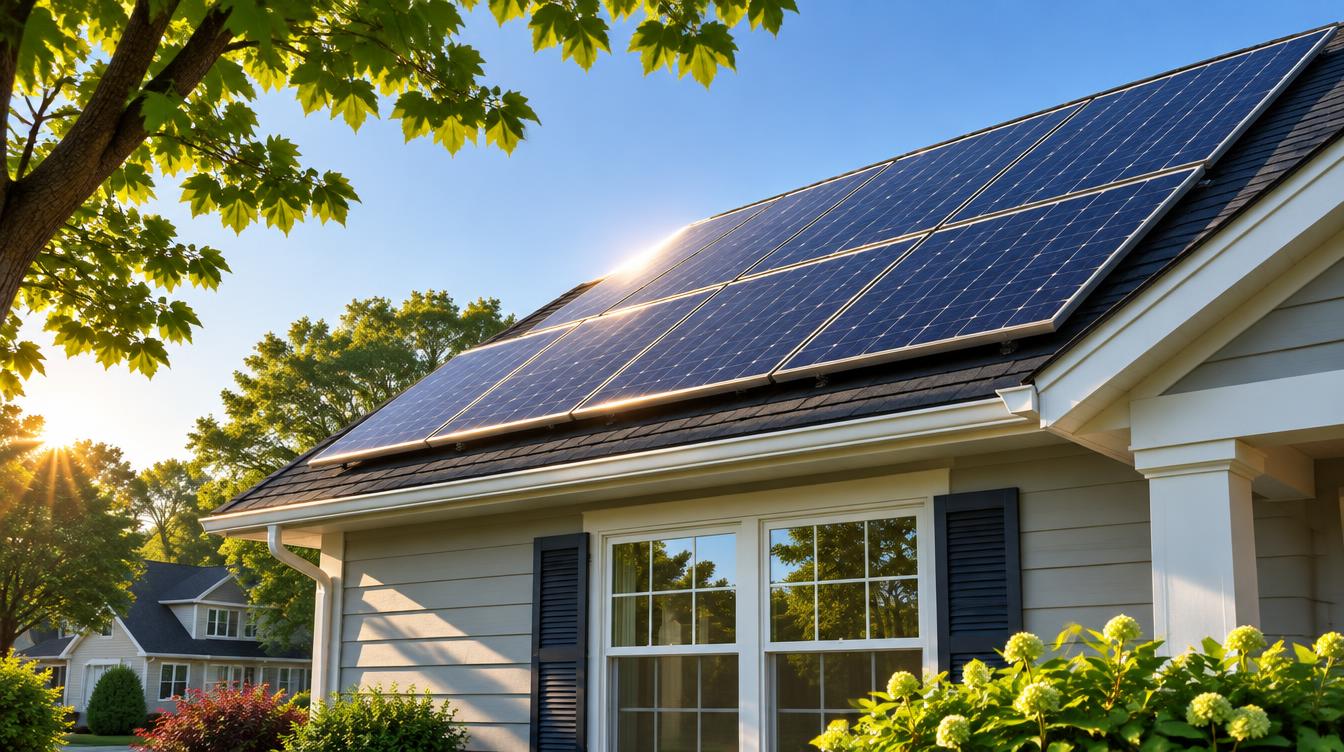
If you are considering solar panels, an audit should come first. A more efficient home needs a smaller system, and smaller systems cost less.
The cheapest unit of electricity is still the one you never need to generate.
What you take away
After an audit, you have a measured picture of your house and a short, ordered list of what to do. Some of it you can do yourself in a weekend.
That list is worth more than any single upgrade, because it tells you which ones to skip.
Frequently asked questions
How much does a home energy audit cost?
A professional audit commonly costs a few hundred dollars, depending on the size of the home and the tests included. Many utilities and state programmes offer free or discounted assessments, so check with your provider first.
What is a blower door test?
A blower door is a powerful fan fitted temporarily into an exterior doorway. It lowers the air pressure inside the house, which pulls outside air in through every gap and crack. The equipment measures how leaky the house is overall, and the auditor can locate individual leaks while it runs.
Is a home energy audit worth it?
For most homes, yes, particularly older ones or any with uncomfortable rooms and high bills. An audit identifies which upgrades will make the most difference, which helps you avoid spending on improvements with little effect.